
Discover Effective Global Disaster Response Strategies
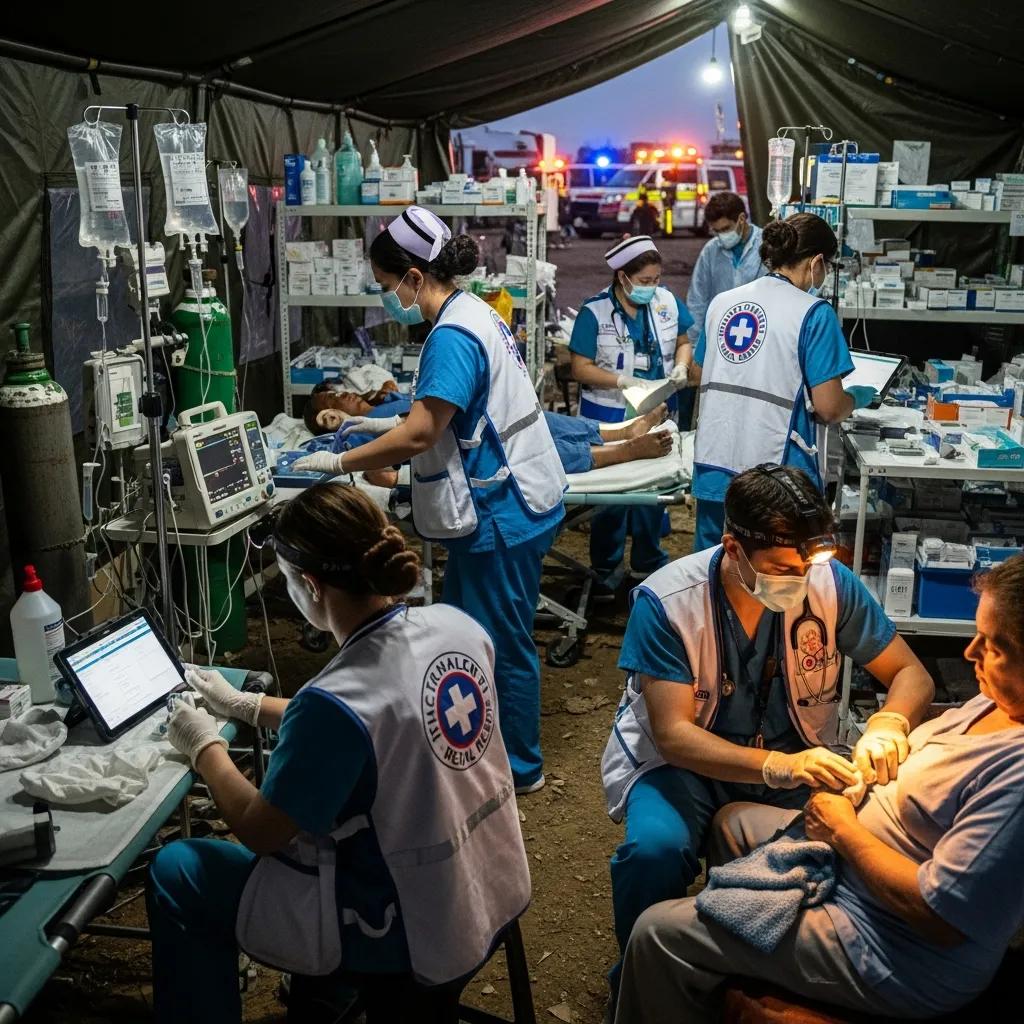
Discover Effective Global Disaster Response Strategies: Comprehensive Guide to Preparedness and Nursing Roles
In an increasingly unpredictable world, the importance of effective global disaster response strategies cannot be overstated. These strategies encompass a range of practices aimed at preparing for, responding to, and recovering from disasters, ensuring that communities can withstand and recover from crises. This comprehensive guide will delve into the key components of global disaster preparedness, the roles of nursing professionals, and the mechanisms that underpin effective emergency response. As communities face various challenges, understanding these strategies is crucial for enhancing resilience and ensuring effective healthcare delivery during emergencies. We will explore topics such as emergency response planning, the coordination of medical services, and the vital role of community resilience in disaster scenarios.
What Are the Key Components of Global Disaster Preparedness Strategies?
Global disaster preparedness strategies are essential for minimizing the impact of disasters on communities. These strategies typically include several key components that work together to create a robust framework for response and recovery.
- Risk Identification: Understanding the specific risks that a community faces is crucial. This involves assessing vulnerabilities and potential hazards, which can range from natural disasters like earthquakes and floods to man-made crises such as industrial accidents.
- Resource Allocation: Effective preparedness requires the allocation of resources, including financial, human, and material assets. This ensures that communities have the necessary tools and personnel to respond swiftly and effectively.
- Community Involvement: Engaging the community in preparedness efforts fosters a sense of ownership and responsibility. Training programs and simulations can empower individuals to take action during emergencies, enhancing overall community resilience.
These components form the backbone of effective disaster preparedness, enabling communities to respond proactively to crises.
How Do Emergency Response Planning and Risk Reduction Frameworks Work?
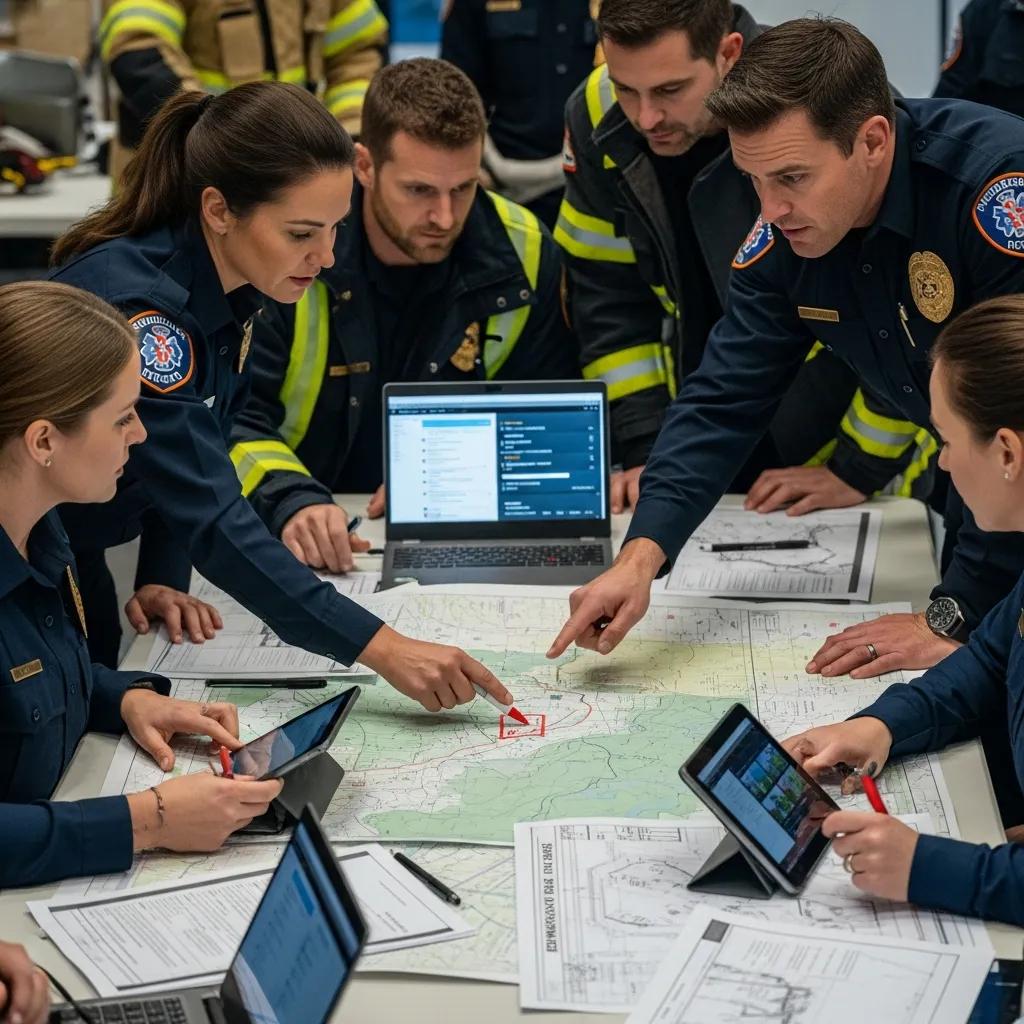
Emergency response planning and risk reduction frameworks are designed to streamline the response to disasters and mitigate their effects. These frameworks typically consist of several critical elements:
- Framework Components: Effective frameworks include clear guidelines for action, roles and responsibilities, and communication protocols. This ensures that all stakeholders understand their roles during a disaster.
- Implementation Strategies: Successful implementation involves training personnel, conducting drills, and establishing partnerships with local organizations. These strategies help ensure that plans are actionable and that all parties are prepared to respond.
- Evaluation Methods: Continuous evaluation of response efforts is essential for improvement. After-action reviews and feedback mechanisms allow organizations to learn from past experiences and refine their strategies.
By understanding and implementing these frameworks, communities can enhance their preparedness and response capabilities.
The International Federation of Red Cross and Red Crescent Societies (IFRC) plays a pivotal role in advancing these strategies, providing expert-backed information and resources aimed at empowering healthcare professionals and the public to make informed health and wellness decisions during global disasters.
Which Roles Do Registered Nurses and Clinicians Play in Disaster Preparedness?
Registered nurses and clinicians are integral to disaster preparedness and response efforts. Their roles encompass a variety of responsibilities that are crucial for effective healthcare delivery during crises:
- Assessment and Triage: Nurses are often the first healthcare professionals on the scene during a disaster. They assess the needs of patients and prioritize care based on the severity of injuries or illnesses.
- Patient Care: Providing immediate care to those affected by disasters is a primary responsibility. This includes administering medications, performing life-saving procedures, and offering emotional support to patients and their families.
- Coordination with Emergency Services: Nurses work closely with emergency response teams to ensure that medical resources are effectively utilized. Their ability to communicate patient needs and coordinate care is vital for successful outcomes.
The expertise of registered nurses and clinicians significantly enhances the overall effectiveness of disaster response efforts.
How Is Emergency Medical Services Coordinated During Global Health Crises?
The coordination of emergency medical services (EMS) during global health crises is critical for ensuring timely and effective care. This coordination involves several key aspects:
- Communication Channels: Establishing clear communication channels among healthcare providers, emergency responders, and government agencies is essential. This facilitates the rapid sharing of information and resources.
- Resource Management: Effective resource management ensures that medical supplies and personnel are deployed where they are most needed. This includes tracking inventory and anticipating demand during crises.
- Response Time Optimization: Reducing response times is crucial for improving patient outcomes. This can be achieved through strategic planning, training, and the use of technology to streamline processes.
By focusing on these aspects, communities can enhance their EMS coordination and improve overall disaster response effectiveness.
The fundamental importance of robust emergency care systems, particularly in vulnerable regions, is further underscored by research highlighting their impact on global health outcomes.
Global Emergency Care Systems for Disaster Resilience
There is a growing understanding of the burden of disease in low- and middle-income countries and how 54% or 24.3 million deaths are amenable to emergency care systems. There are a group of diseases that are time sensitive and show improved outcomes with good emergency care systems. Alongside an improving scientific underpinning to emergency care, there is growing policy recognition. While there is no direct mention of emergency care in the Sustainable Development Goals document, many goals, such as reductions in infant and maternal deaths, deaths due to non-communicable diseases, road traffic injuries and violence, improving resilience of climate change, universal coverage, and safe/sustainable urban environments are not achievable without developing, sustaining, and improving the quality of emergency care systems.
Aligning emergency care with global health priorities, T Shanahan, 2018
What Protocols Guide Emergency Medical Interventions in Disaster Scenarios?
Emergency medical interventions during disasters are guided by established protocols that ensure patient safety and effective care delivery. These protocols typically include:
- Standard Operating Procedures: These procedures outline the steps healthcare providers should follow during emergencies, ensuring consistency and safety in care delivery.
- Emergency Response Protocols: Specific protocols are designed for various types of emergencies, such as mass casualty incidents or infectious disease outbreaks. These protocols help guide decision-making and resource allocation.
- Patient Safety Measures: Ensuring patient safety is paramount during disasters. Protocols include guidelines for infection control, triage, and the management of medical supplies to prevent shortages.
Adhering to these protocols is essential for delivering high-quality care during disaster scenarios.
How Does Humanitarian Aid Coordination Enhance Crisis Response?
Humanitarian aid coordination plays a vital role in enhancing crisis response efforts. Effective coordination involves several key elements:
- Collaboration Among Organizations: Various organizations, including governmental and non-governmental entities, must work together to provide comprehensive support. This collaboration ensures that resources are not duplicated and that efforts are maximized.
- Resource Distribution: Coordinated efforts facilitate the efficient distribution of resources, including food, medical supplies, and shelter. This is crucial for meeting the immediate needs of affected populations.
- Impact Assessment: Evaluating the effectiveness of humanitarian aid efforts is essential for improving future responses. This involves collecting data on the needs of affected communities and assessing the impact of interventions.
By enhancing coordination among humanitarian organizations, communities can improve their overall crisis response capabilities.
Indeed, effective coordination and strong partnerships across all levels of government and with diverse stakeholders are consistently identified as crucial for building resilient health systems capable of responding to emergencies.
Health System Coordination for Emergency Preparedness
Discussions of health system resilience and emergency management often highlight the importance of coordination and partnership across government and with other stakeholders. However, both coordination and partnership have been identified as areas requiring further research. This paper identifies characteristics and enablers of effective coordination for emergency preparedness and response, drawing on experience from different countries with a range of shocks, including floods, drought, and COVID-19.
How can we strengthen partnership and coordination for health system emergency preparedness and response? Findings from a synthesis of experience across …, K Gooding, 2019
Why Is Community Resilience Building Vital for Effective Disaster Response?
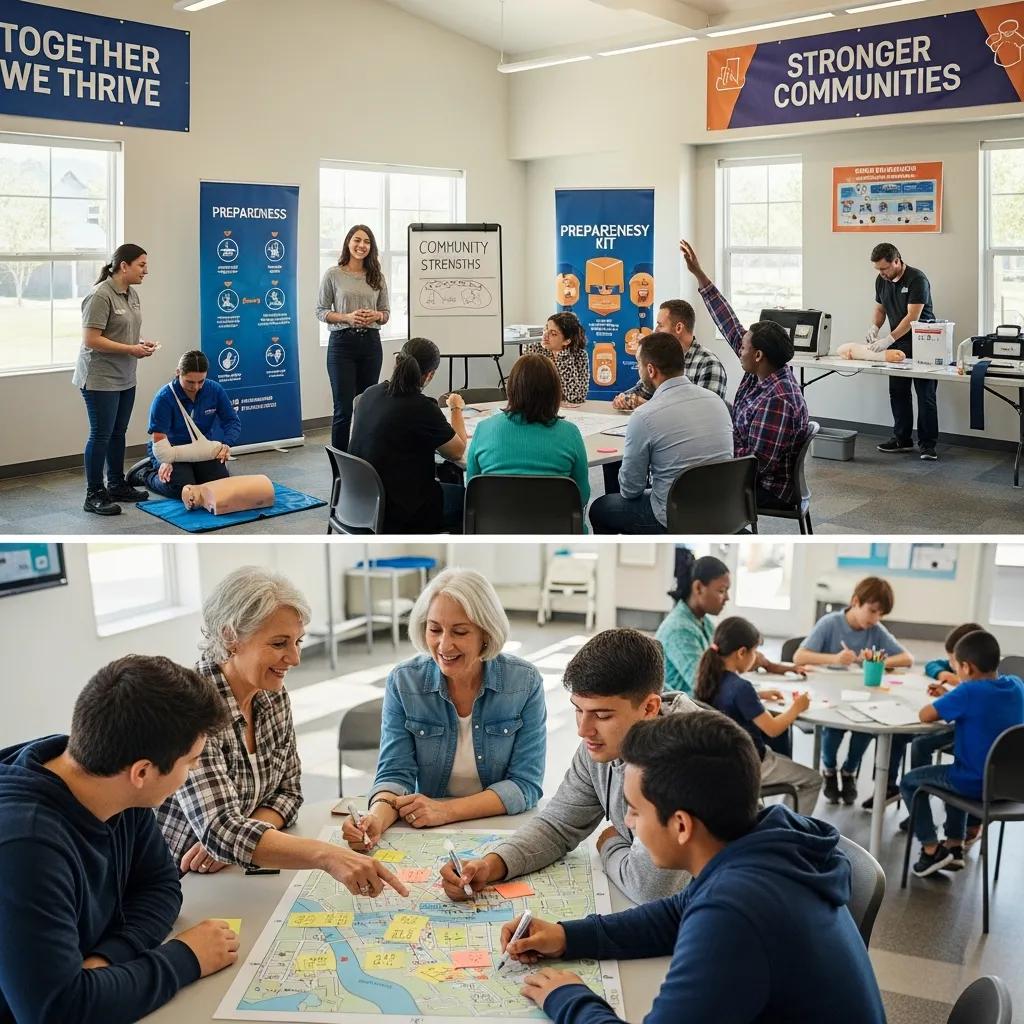
Building community resilience is essential for effective disaster response. Resilience refers to the ability of a community to withstand and recover from adverse events. Key aspects of community resilience include:
- Community Engagement: Involving community members in preparedness efforts fosters a sense of ownership and responsibility. This engagement can lead to more effective response strategies tailored to local needs.
- Capacity Building: Training and education programs enhance the skills and knowledge of community members, enabling them to respond effectively during disasters. This includes first aid training, emergency response drills, and resource management workshops.
- Sustainability of Efforts: Long-term resilience requires ongoing efforts to strengthen community infrastructure and support systems. This includes investing in local resources, such as healthcare facilities and emergency services.
By focusing on community resilience, societies can improve their ability to respond to and recover from disasters.
How Can Communities Prepare and Adapt to Global Health Emergencies?
Communities can take several proactive steps to prepare and adapt to global health emergencies:
- Education and Training: Providing education on disaster preparedness and response is crucial. This includes training community members in first aid, emergency response, and resource management.
- Resource Mobilization: Communities should identify and mobilize local resources, including volunteers, medical supplies, and shelters. This ensures that they are ready to respond when emergencies arise.
- Partnerships with Local Organizations: Collaborating with local organizations enhances preparedness efforts. These partnerships can provide additional resources, expertise, and support during crises.
By implementing these strategies, communities can enhance their preparedness for global health emergencies.
What Are Best Practices for Strengthening Local Disaster Recovery Efforts?
Strengthening local disaster recovery efforts involves implementing best practices that promote effective recovery and resilience. Key practices include:
- Community Involvement: Engaging community members in recovery planning ensures that efforts are aligned with local needs and priorities. This involvement fosters a sense of ownership and commitment to recovery efforts.
- Resource Allocation: Allocating resources effectively is crucial for successful recovery. This includes financial support, personnel, and materials needed for rebuilding and restoring services.
- Long-Term Planning: Developing long-term recovery plans that address not only immediate needs but also future resilience is essential. This includes considering factors such as infrastructure improvements and community health initiatives.
By adopting these best practices, communities can enhance their recovery efforts and build resilience against future disasters.
What Are the Nursing Roles and Clinical Protocols in Disaster Response?
Nursing roles and clinical protocols are critical components of disaster response. Nurses play a vital role in ensuring effective healthcare delivery during emergencies. Key aspects include:
- Clinical Assessment: Nurses conduct thorough assessments of patients to determine their needs and prioritize care. This is essential for effective triage and treatment.
- Emergency Care Protocols: Established protocols guide nurses in providing emergency care, ensuring that they follow best practices and maintain patient safety.
- Collaboration with Other Healthcare Providers: Nurses work closely with other healthcare professionals to coordinate care and ensure that patients receive comprehensive support.
The expertise of nurses is invaluable in disaster response, contributing to improved patient outcomes and overall effectiveness.
How Do Registered Nurses Perform Emergency Medical Interventions?
Registered nurses are trained to perform a variety of emergency medical interventions during disasters. These interventions include:
- Types of Interventions: Nurses may perform life-saving procedures, administer medications, and provide wound care. Their training equips them to respond effectively to a range of medical emergencies.
- Training Requirements: Ongoing training and education are essential for nurses to stay current with best practices and protocols. This includes participating in simulations and refresher courses.
- Patient Outcomes: The timely and effective interventions performed by nurses can significantly impact patient outcomes during disasters, improving survival rates and recovery times.
By understanding the critical role of nurses in emergency medical interventions, communities can better appreciate their contributions to disaster response.
Which Training and Educational Resources Support Nursing Disaster Response?
Training and educational resources are vital for supporting nursing disaster response efforts. Key resources include:
- Certification Programs: Specialized certification programs provide nurses with the knowledge and skills needed for effective disaster response. These programs often cover topics such as triage, emergency care, and crisis management.
- Workshops and Seminars: Attending workshops and seminars allows nurses to learn from experts and share best practices with peers. These events foster collaboration and knowledge exchange.
- Online Resources: Many organizations offer online training modules and resources that nurses can access at their convenience. This flexibility allows for ongoing education and skill development.
By utilizing these resources, nurses can enhance their preparedness for disaster response and improve their effectiveness in emergency situations.
How Can Crisis Communication Improve Global Disaster Management?
Crisis communication is a critical component of effective disaster management. It involves the dissemination of information to stakeholders during emergencies. Key aspects include:
- Effective Messaging: Clear and concise messaging is essential for ensuring that the public understands the situation and knows how to respond. This includes providing information on safety measures and available resources.
- Information Dissemination: Utilizing multiple communication channels, such as social media, traditional media, and community networks, ensures that information reaches a broad audience.
- Stakeholder Engagement: Engaging stakeholders, including community leaders and organizations, enhances the effectiveness of communication efforts. This collaboration fosters trust and encourages community participation in response efforts.
By improving crisis communication, communities can enhance their disaster management capabilities and ensure that individuals receive timely and accurate information.
What Are Effective Crisis Communication Protocols for Healthcare Providers?
Healthcare providers must adhere to effective crisis communication protocols during disasters. These protocols typically include:
- Communication Strategies: Developing clear communication strategies ensures that healthcare providers can convey important information to patients and the public. This includes guidelines for addressing misinformation and managing public concerns.
- Crisis Management Plans: Establishing crisis management plans outlines the steps healthcare providers should take during emergencies. These plans should be regularly reviewed and updated to reflect current best practices.
- Training for Healthcare Providers: Providing training on crisis communication ensures that healthcare providers are prepared to communicate effectively during disasters. This includes role-playing scenarios and workshops on effective messaging.
By following these protocols, healthcare providers can enhance their communication efforts and improve overall disaster response.
How Does Transparent Information Sharing Support Community Resilience?
Transparent information sharing is essential for building community resilience during disasters. Key benefits include:
- Building Trust: Open communication fosters trust between community members and organizations. This trust is crucial for encouraging individuals to participate in preparedness efforts and follow safety guidelines during emergencies.
- Enhancing Collaboration: Sharing information among organizations and community members promotes collaboration and resource sharing. This collective approach enhances overall preparedness and response capabilities.
- Improving Response Effectiveness: When communities have access to accurate and timely information, they can respond more effectively to disasters. This includes understanding available resources and knowing how to access them.
By prioritizing transparent information sharing, communities can strengthen their resilience and improve their ability to respond to crises.
What Lessons Do Recent Case Studies Reveal About Disaster Response Effectiveness?
Recent case studies provide valuable insights into disaster response effectiveness. Key lessons learned include:
- Analysis of Case Studies: Reviewing past disaster responses allows organizations to identify strengths and weaknesses in their approaches. This analysis is essential for continuous improvement.
- Lessons Learned: Key lessons often highlight the importance of preparedness, community engagement, and effective communication. These factors significantly impact the success of disaster response efforts.
- Recommendations for Future Responses: Based on case study analyses, organizations can develop recommendations for future responses. This proactive approach helps ensure that lessons learned are applied to improve future preparedness and response efforts.
By examining recent case studies, communities can enhance their disaster response strategies and improve overall effectiveness.
Which 2024-2026 Global Disaster Events Highlight Nursing and Emergency Service Roles?
Several global disaster events from 2024 to 2026 have underscored the critical roles of nursing and emergency services. Key highlights include:
- Overview of Events: Major disasters, such as natural disasters and public health emergencies, have tested the resilience of healthcare systems worldwide. These events have highlighted the need for effective preparedness and response strategies.
- Impact on Nursing Roles: Nurses have played a vital role in responding to these disasters, providing essential care and support to affected populations. Their expertise has been crucial in managing patient needs during crises.
- Lessons for Future Preparedness: These events have provided valuable insights into the importance of training, resource allocation, and community engagement in disaster response. By learning from these experiences, communities can better prepare for future challenges.
Understanding the implications of recent global disaster events is essential for enhancing nursing and emergency service roles in future responses.
How Do Data and Statistics Inform Improvements in Disaster Response Strategies?
Data and statistics play a crucial role in informing improvements in disaster response strategies. Key aspects include:
- Data Collection Methods: Collecting data during and after disasters allows organizations to assess the effectiveness of their response efforts. This data can include information on patient outcomes, resource utilization, and community needs.
- Statistical Analysis: Analyzing collected data helps identify trends and patterns that can inform future preparedness efforts. This analysis is essential for understanding the impact of various interventions.
- Application of Findings: Applying findings from data analysis to improve disaster response strategies is crucial. This includes refining protocols, enhancing training programs, and allocating resources more effectively.
By leveraging data and statistics, communities can enhance their disaster response strategies and improve overall effectiveness.