


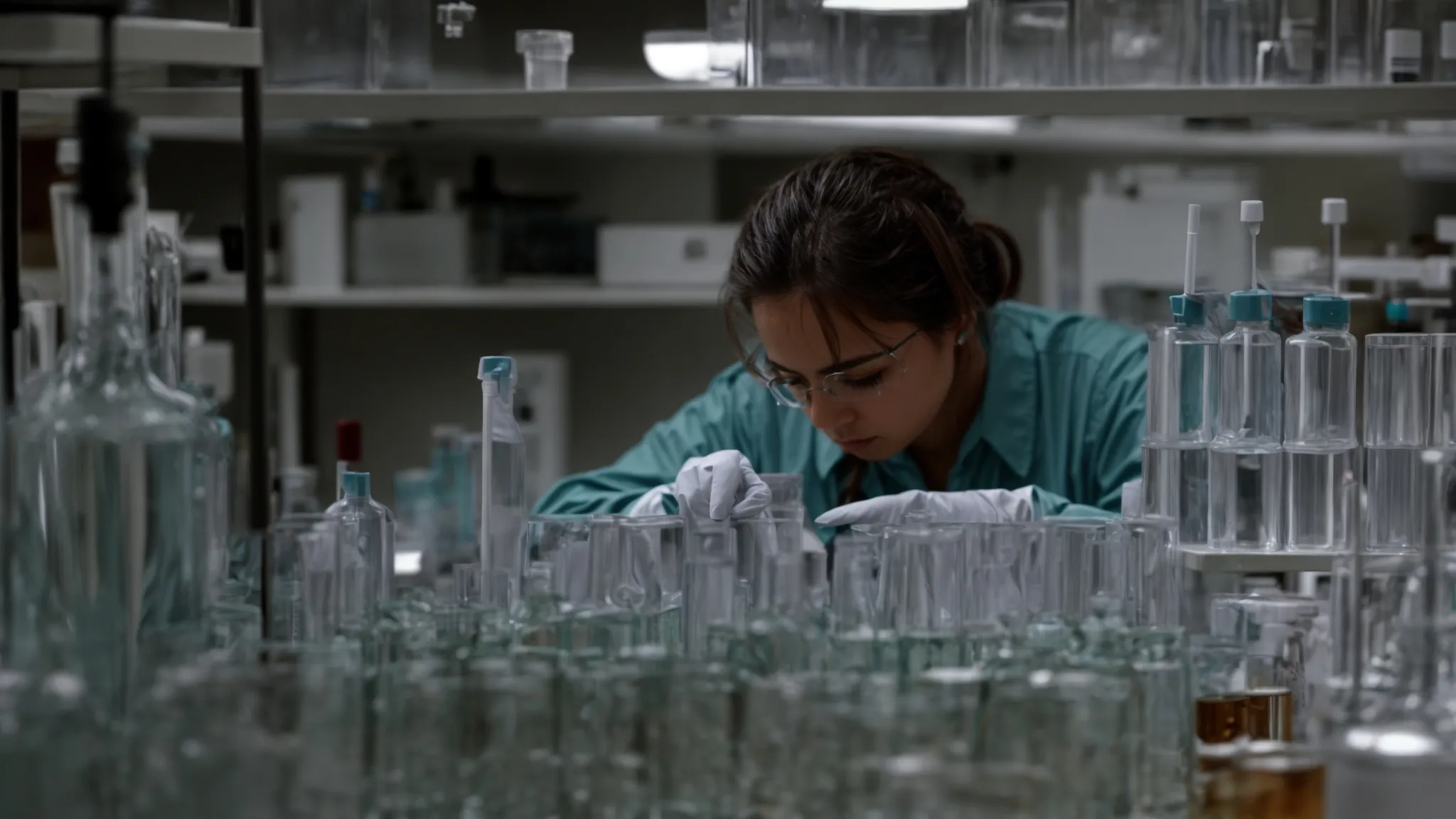
The GHK-Cu 50mg Peptide has garnered substantial attention within the scientific community, particularly for its potential in areas like tissue regeneration and anti-aging research. With a unique sequence of amino acids that may bind with copper ions, GHK-Cu has demonstrated promising results in various studies.
For researchers committed to advancing the fields of biochemistry and molecular biology, access to high-purity peptides such as a GHK-Cu 50mg Peptide is indispensable. Below, we will delve into the significance of GHK-Cu in scientific research, how its purity affects laboratory results, and the relevant considerations for its ethical use in research settings.
Exploring GHK-Cu 50mg Peptide: A Cornerstone in Research Applications

The GHK-Cu peptide, particularly in its 50mg dosage, is a linchpin in examining cellular processes due to its multifaceted role in the body. Studies have highlighted its influence on collagen production, angiogenesis, and the support of the body’s natural healing mechanisms. Scientists enthusiastically study GHK-Cu seeking further understanding of these complex biological processes.
In the context of research, the primary objective is to secure peptides with consistent quality to ensure reliable data. The GHK-Cu peptide used in various studies often needs to meet the stringent requirement of high purity, which is why 50mg of GHK-Cu has become a standard concentration providing adequate material for preliminary research trials and reproducible results.
When selecting peptides for study, researchers should assess not just the chemical composition but also the supplier’s credibility. This involves examining the provider’s history of supplying pharmaceutical-grade peptides that meet regulatory standards for research use. Proper handling and storage are also crucial for maintaining peptide integrity.
GHK-Cu Peptide Synthesis and Purity Considerations for Laboratory Use
In the peptide synthesis process, maintaining GHK-Cu’s high purity levels is critical for accurate scientific outcomes. Any impurities can interfere with experimental results, leading to potentially misleading conclusions. For GHK-Cu, and similar peptides, purity levels often exceed 98%, highlighting the meticulous protocols in peptide synthesis.
Advanced techniques such as high-performance liquid chromatography (HPLC) are employed to ensure the purity of peptides like GHK-Cu. These measures are in place to remove any residual solvents, by-products, or unrelated peptides that might be present post-synthesis. Documentation of the synthesis process and subsequent purification becomes a vital record for researchers.
For laboratory professionals, ordering peptides synthesized with precision is of utmost concern. This requires due diligence in sourcing from reputable vendors that not only disclose the purity percentage but also pose stringent quality control procedures, including batch testing and providing certificates of analysis for each peptide shipment.
Investigating the Role of GHK-Cu in Cellular Growth and Wound Healing Studies
The promising role GHK-Cu plays in cellular growth and wound healing has made it a target of extensive research. Its ability to enhance tissue remodeling and to stimulate the production of metalloproteinases and integrins underscores this peptide’s utility in therapeutic studies.
For instance, current research is investigating how the topical application of GHK-Cu can accelerate wound healing, reduce infection rates, and improve the cosmetic appearance of scars. Studies demonstrate that GHK-Cu may increase the contraction rate of wounded areas and promote regenerative processes, offering hope for medical applications beyond research.
Researchers looking to investigate these properties should ensure a robust experimental design, controlling for variables such as peptide concentration and the model system being observed. Moreover, they must account for the biological complexity of the systems in which GHK-Cu is deployed to draw valid conclusions from their studies.
Navigating the Legal and Ethical Aspects of GHK-Cu Peptide Utilization in Research

With the power of peptides like GHK-Cu in research scenarios comes the responsibility to adhere to legal and ethical regulations. As with all research materials, peptides must be used within the boundaries of research protocols that have been cleared by supervising ethics committees and regulatory bodies.
Compliance with rules governing the acquisition, storage, and usage of the GHK-Cu peptide is essential for legitimate research practices. This entails keeping detailed records of peptide applications, maintaining data integrity, and ensuring that all research staff are trained in the proper protocols for handling such controlled substances.
Researchers must be vigilant in working with suppliers who adhere to the legal requirements of manufacturing and distributing peptides. Staying informed about regulatory changes and the potential ethical implications pertinent to peptide research ensures that scientific inquiry can progress within a framework of societal trust and legal compliance.
Ultimately, the GHK-Cu 50mg peptide offers a substantial contribution to the field of bioresearch, inviting a closer look at its applications and influence on cellular mechanisms. Scientists must be attentive to the purity, legality, and potential of this peptide, navigating its use with the accuracy and ethical foresight demanded by the scientific community.